

What Is Door Handle
A door handle or doorknob is a handle used to open or close a door. Door handles can be found on all types of doors including exterior doors of residential and commercial buildings, internal doors, cupboard doors and vehicle doors. There are many designs of door handle, depending on the appropriate use. A large number of handles, particularly for commercial and residential doors, incorporate latching or locking mechanisms or are manufactured to fit to standardised door locking or latching mechanisms. The most common types of door handle are the lever handle and the doorknob. Door handles can be made out of a plethora of materials. Examples include brass, porcelain, cut glass, wood, and bronze. Door handles have been in existence for at least 5000 years, and its design has evolved since, with more advanced mechanism, types, and designs made.
Advantages of Door Handle
Aesthetics
One of the best things about modern door handles is that they come in so many different styles. Whether you want something sleek and minimalist or something more ornate, there’s sure to be a style that suits your needs.
Durability
Unlike traditional doorknobs, most modern door handles are made from sturdy materials like metal or brass which means they can withstand everyday use without wear and tear.
Easy to clean
Another advantage of modern door handles is that they’re easy to clean. Since they’re usually made from non-porous materials, all you need to do is wipe them down with a damp cloth to remove any dirt or grime.
Safety
Since most modern door handles come with safety features like keyless entry systems, they’re ideal for families with small children. This means you can rest assured that your little ones are safe and secure when playing in or around the house.






Why Choose Us
Rich experienced
As a leading manufacturer of bathroom hardware products, Yuxinda Metal Products has a highly efficient research and design team that continuously introduces new products with new styles and processes to meet the needs of customers.
Quality control
We also have quality control procedures in place, including regular inspection of raw materials, timed mechanical calibration during production, and unified inspection of products before shipment, ensuring stable quality of our products. We have always been committed to strict quality control and have passed ISO9001 quality management system certification and SGS certification for five consecutive years.
Our service
We provide timely, transparent, and veritable procurement experience for customers. We try and respond to all concerns within 24 hours and our teams are always at your disposal in case of any emergencies.
A strong Logistics system
A strong logistics system can deliver goods all around of world on time. Our main customers come from more than 80 countries and regions such as North America, Europe and the Middle East, and the Repurchase rate remains above 92%.
Types of Door Handles
Keyed entry door handle
The main purpose of a keyed entry door handle is to provide a method for locking the door, so that only the owner or an individual with the correct key can open the door. This type of door handle is common for bathrooms, bedrooms, front doors, side doors, and back doors. Depending on the style, it may have a lock built into the center of the door knob on both sides of the door, or it may be a door lever with a key cylinder located in the main body of the handle. If the door is locked, then the door knob or door level will be unable to rotate, but once a key is used to open the lock, the handle should function like a normal passage door handle.
Handleset
A handleset consists of a door handle that is a knob on one side and a lever-style handle on the other side. The door handle also has a keyed lock that operates a deadbolt to help keep the house secure when you are asleep or simply away from home. This type of door handle is common for the front door of residential locations, though handlesets can also be installed on side doors or back doors, depending on the type of door. Handlesets are relatively easy to install, making them a good choice for diyers.
Rustic door handle
Rustic door handles are an excellent option for those that want a certain aesthetic throughout the home. These door handles can be knobs or levers, but should have an aged metal appearance, such as worn bronze, matte black, or a classic iron design. These door handles are commonly seen in ranch-style homes, though they are growing in popularity in modern farmhouse homes. You can get rustic door handles with and without locking mechanisms, so they can be used for both the interior and exterior of the home.
Modern door handle
Modern door handles can be a knob or lever, though most tend to be lever-style products. The important factor that differentiates this type of door handle from other options is the appearance. Modern door handles have simple lines and sleek finishes that are intended to give the house a clean, minimalist appeal. Similar to rustic door handles, modern door handles can also come with or without a locking mechanism, so you can choose whether to use the door handle for an interior or exterior door.
Dummy door handle
Dummy door handles look like normal passage door handles, but they don't actually have any working parts. Instead, the door handle consists of just the doorknob and is used by simply grabbing the knob and pulling the door open. These door handles are typically seen on pantries, cupboards, and small closets, though they may also be used on interior french doors to complete the look without actually securing the doors in a closed position. Consider dummy door handles for storage spaces that you want to be easily accessible.
Antique door handle
An antique door handle can be a knob or a lever, and it may or may not have a locking mechanism. This allows the homeowner to select antique door handles without locking mechanisms for interior doors, while choosing similar antique door handles with locking mechanisms for bathrooms, bedrooms, and exterior doors. What sets antique door handles apart from other design options is the aged appearance of the knob or latch. Expect worn gold, silver, and even glass door knobs with ornate decorative designs that add a vintage feel to the home.
Smart door handle
A smart door handle is equipped with a locking mechanism that can be opened or locked with a variety of methods, depending on the specific design. Some smart door handles have a fingerprint scanner, while others may have a keypad to enter a security code or remote app functionality that allows the user to open the lock even if they aren't at home. Smart door handles may also give the user the ability to regularly reset the security code or to provide guest codes for friends and family. Invest in a smart door handle for added security and convenient user control.
Passage door handle
The passage door handle is one of the most common types. This is a standard door handle with a knob or lock that can rotate to operate the latch and open the door, and are generally seen in residential homes. Passage door handles do not have locking mechanisms, which is why they are typically used on closet doors, basement doors, and other interior doors that do not require a lock. Due to the popularity of passage door handles, they are available in a wide range of colors and styles.
The Elements of a Door Handle



Spindle bar
As door handles will need to be installed on both sides of most doors, spindle bars will be used to keep both sides in equal places and to operate the latch. They will be connected to the handle or knob, turning as they are rotated. Door handles will normally be supplied with a spindle, but replacements can be bought as they wear over time. They are square and made of metal, typically 8mm wide on each side.
Latch
The latch is the mechanical component within a door that keeps it shut. The latch will typically have an extruding latch bolt, which will hold the door in place within the frame and can be recalled through the handle, opening the door. A latch can also have a deadbolt, a thicker extruding element used to lock a door, activated with a key.
Backplate
The backplate is the solid element behind a lever or knob, attached to your door on both sides. These can be different shapes, but will typically share the look of the handle. They will be screwed into a door.
Strike plate
This is the metal element that will be installed to a door frame, keeping the latch in place and the door shut.
Popular door handle designs
Door handle designs range from handles and knobs to pull doors, with the option of a deadbolt handle to offer security or privacy.
Pull handles
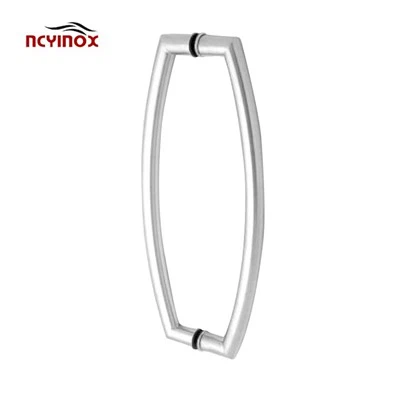
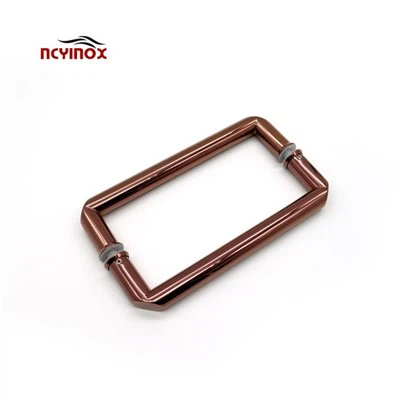
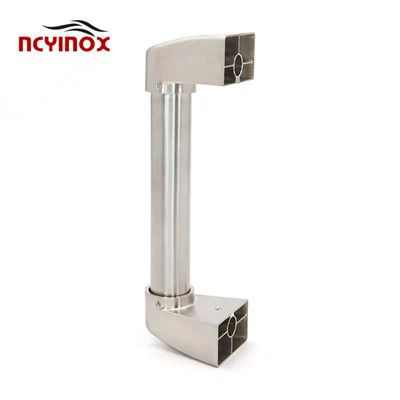
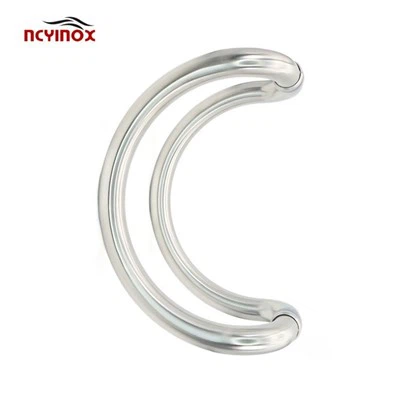
More commonly used within commercial environments like shops, offices, and communal shared housing, pull doors will have a self-closer instead of a latch, and will have a pull bar handle. These can be purchased for industrial doors, often with “pull” printed on them, or in more stylish designs for workspaces. They are rarely used in residential locations.
Lever on backplate handles
Lever on backplate door handles are probably the most common design, used on both commercial and residential doors. They will have a turn lever installed on a larger backplate, with fixings that are typically visible. A traditional look is for a long, thin backplate, sometimes with a lock installed below the lever for a deadbolt.
Lever on rose handles
Similar to levers on backplate handles, a lever on rose door handle will feature a far smaller backplate, designed for a stylish look that obscures fixings. If looking to include a lock it will either need to be installed separately below the rose, or you can opt for a lever that includes a lock within it.
Deadbolt handles
Typically lever on backplate, a deadbolt handle will allow the door to be locked, either with a key or a thumbturn lock. A deadbolt lock with a key is a great choice for private spaces like bathrooms and bedrooms, while thumbturn locks are great for public bathrooms, allowing them to be locked from the inside.
Door knobs
For a more traditional rounded look, door knobs are available in a wide range of sizes. They can be installed with a standard backplate or a smaller rose option.
Even though they are small, door handles need just as much care as any other piece of hardware in your home. Rusty, broken, and untidy door handles can ruin the appeal of your house in no time at all. Solid brass door handles and brass-plated handles need to be handled differently to keep them in good shape. A powerful magnet will enable you to identify your door handle since it will only be drawn to plated metal. There are some DIY methods you can do at home to clean solid brass or copper door handles. One is to make a paste out of equal parts of salt, vinegar, and flour. Put the paste on your door handle, wait a few minutes, and then buff it off. For the next method, you need lemon and salt. Slice a lemon in half, then sprinkle salt all over the pulp of one half. After that, wipe the lemon on the door handle to remove any dirt or tarnish. The lemon's acidity will kill bacteria and leave a clean, pleasant smell.
The most effective method for cleaning stainless steel door hardware is mild soap and water. To avoid damaging stainless steel, do not use store-bought cleaners that include chloride or chlorine bleach. Steel wool and other abrasives, on the other hand, will also damage your stainless steel, ruining the aesthetic of your handles. Combine equal parts of olive oil and vinegar to remove filth and grime that has crusted on and make a solution. This will loosen anything stuck on your knobs. Some people have found that using WD-40 or club soda also works well. Chrome finishes, which are meant to be glossy and silver, are simple to clean. There is a quick and easy way to clean door handles that are made of chrome that won't take much time.
In terms of upkeep, both internal door handles and external door handles must be handled differently. Your internal handles will be simpler to maintain since they are protected from harsh weather conditions, but your exterior handles are continually exposed and are more prone to picking up dirt, stains, and any other markings more easily than your internal handles. Before cleaning, make sure you remove any dust and dirt from the door handles. If you are handling chemicals, be sure to wear gloves. To prevent streaks or watermarks, dry your door handles from top to bottom after cleaning them side to side and top to bottom.
Common Door Handle Materials
Brass
When it comes to the best material for internal door handles, one popular option is brass. Besides being an attractive choice, brass door knobs actually have germ-killing properties. Brass is also durable and is not prone to corrosion like other materials, so it won't need much upkeep to stay beautiful. Of course, over time, the colour of the brass will fade. But this is a look all its own and doesn't necessarily mean that the handle will need to be replaced.
Stainless steel
Stainless steel is commonly used for door handle finishes. This material is durable and long-lasting and can also be a cost-efficient choice. However, the look of stainless steel door knobs and handles means that it isn't a popular choice for interior doors. But the look, durability, and cost-savings make it perhaps the best material for external door handles.
Aluminium
Aluminium has a similar look to stainless steel. It's also very durable and long-lasting, as well as simple to clean and maintain. While some stainless steel isn't rust-resistant, aluminium is, which also helps aid in its long-lasting qualities. The simple, industrial look of aluminium handles makes them a better choice for outdoor doors or commercial spaces.
Glass
Glass is the rarest door handle material. That's because this door hardware is the easiest to break. Glass handles are far from durable and can be sharp and dangerous if they break. But if you're looking for a beautiful, modern look, glass is an excellent choice.
Wood
While wood is one of the oldest building materials on earth, it hasn't been a popular choice for door handles and knobs. Wood handles can beautifully complement a home's natural style, but they are damaged easily by moisture and humidity. This can make them a poor choice in homes in certain climates, as well as for exterior doors.
Plastic
Plastic is a relatively rare choice for a door handle material. While low-cost to produce, it isn't durable for heavy use or outdoor use. It also lacks the aesthetic looks of the other handles on this list.
Mdf
Mdf, or medium-density fiberboard, is an alternative to plywood. To make these handles, sand dust is compacted and shaped into a board that is then cut to its desired shape and design. Like wood handles, these can't be used outdoors, as they can be damaged by humidity and moisture. This can also make them a poor choice for humid climates.
Black
When it comes to choosing different door handle types to fit your home's unique style, one popular modern option is black handles. These handles are modern and elegant and look like something straight out of a home decor magazine. The modern, sleek look means that black door handles tend to be versatile and fit well with many different styles.
Zinc
Another popular door handle material is zinc. Used for both interior and exterior doors, zinc handles are durable, rust and corrosion-resistant, and often very cost-efficient. These handles are usually considered less aesthetically pleasing than other types of handles. They also may not be as strong as other materials. But if you're looking for a low-cost option for a door that doesn't see heavy use, this can be a great choice.
Choosing the right handle
The handle and latch you choose will impact the various aspects of how you install it, such as the size and placement of the holes you’ll need to drill. You’ll need to prop the door in place, to ensure it won’t move while you install the handle.
Marking
Mark out the height of the latch, using a tape measure, masking tape and a pencil on each of the three sides.
Drilling
Door handles should come with a template that can be used to clearly find the locations to drill. You should drill small preliminary holes with a 2mm bit. You should then consult the specific instructions of your handle and drill larger holes through the template. This will include the wider hole for the spindle bit, to which the lever or door knob will be attached.
Making a hole for the latch
By attaching masking tape to your drill you can ensure that you drill the correct depth for the latch on the door’s edge. You should trace around the edge of the latch on the edge of the door, before carving out the compartment for the latch with a chisel and hammer. You can insert the latch to make sure it fits correctly. When it does you can screw it into the door's edge.
Spindles and handles
With the latch in place, you can make sure that your handles correctly attach to the spindles. Make sure that they are both working before screwing each backplate and handle to the door.
Attach strike plate
The strike plate will be installed on the side of the frame, helping the latch to stay closed. You’ll again need to chisel away a section large enough to contain the latch. Then you can screw in the strike plate.
FAQ
We're well-known as one of the leading door handle manufacturers and suppliers in China. We warmly welcome you to buy customized door handle at competitive price from our factory. Contact us for free sample.
Square H Pull Handle, D Type Glass Door Pulls, H Style Exterior Door Handles