Understanding Glass Spigots: A Comprehensive Guide
**Introduction**
Glass spigots are a pivotal element in modern design, particularly for those aiming to create a sleek, minimalist look in their interiors or exteriors. Whether you're installing a glass railing system on a staircase, balcony, or pool enclosure, glass spigots offer both functionality and aesthetic appeal. This comprehensive guide will delve into what glass spigots are, their benefits, how they work, and answer some frequently asked questions to help you make an informed decision.
**What is a Glass Spigot?**
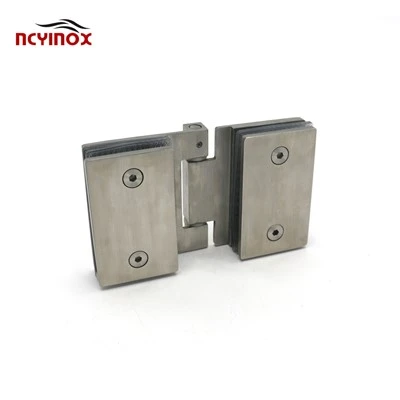
A glass spigot, also known as a glass railing spigot or glass clamp, is a hardware component used to secure glass panels in place. These spigots are designed to hold the glass securely while providing a modern, unobtrusive look. Typically made from stainless steel or aluminum, glass spigots come in various styles and finishes to match the design of the glass installation.
**Benefits of Glass Spigots**
1. **Aesthetic Appeal**: Glass spigots are designed to be minimalistic, providing a clean and contemporary look. They allow the glass to be the focal point of the design, without the hardware being too conspicuous.
2. **Durability**: Constructed from high-quality stainless steel or aluminum, glass spigots are highly durable and resistant to rust and corrosion. This makes them suitable for both indoor and outdoor applications.
3. **Safety**: Glass spigots ensure that glass panels are securely held in place, which is crucial for safety in railings and barriers. They are designed to accommodate toughened safety glass, which can withstand significant impacts.
4. **Versatility**: Glass spigots can be used in various applications, including staircases, balconies, pool enclosures, and shower screens. Their versatility makes them a popular choice for both residential and commercial projects.
5. **Ease of Installation**: Many glass spigots are designed for easy installation, often requiring only a few tools and minimal adjustments. This reduces the time and cost associated with the installation process.
**How Glass Spigots Work**
Glass spigots work by clamping or securing the edges of glass panels, often using rubber gaskets or seals to prevent damage to the glass. They typically have a base that is either fixed to the floor or a mounting surface and a vertical component that holds the glass panel. The spigot ensures that the glass panel remains upright and stable while providing a seamless transition between glass panels.
**Types of Glass Spigots**
1. **Base Mounted Spigots**: These are fixed to the floor or base surface and are ideal for horizontal glass railings.
2. **Side Mounted Spigots**: These are attached to the side of a structure, providing support for glass panels that are mounted vertically.
3. **Post Mounted Spigots**: These spigots are mounted on posts or other vertical structures, supporting glass panels in a way that maximizes visibility.
**Installation Tips**
1. **Ensure Proper Measurement**: Accurate measurements are crucial for the correct installation of glass spigots. Measure the glass panels and the mounting surface carefully to ensure a perfect fit.
2. **Choose the Right Type of Spigot**: Select a glass spigot type that suits your specific application, whether it's for a horizontal or vertical installation.
3. **Use Quality Materials**: Invest in high-quality spigots made from durable materials to ensure longevity and reliability.
4. **Follow Manufacturer Instructions**: Adhere to the installation instructions provided by the manufacturer for optimal performance and safety.
5. **Seek Professional Help if Needed**: If you're unsure about the installation process, consider hiring a professional to ensure the job is done correctly.
**Frequently Asked Questions (FAQ)**
1. **What type of glass is used with glass spigots?**
Glass spigots are typically used with toughened or tempered safety glass, which is designed to withstand impacts and pressure. Laminated glass can also be used for additional safety.
2. **Can glass spigots be used for outdoor installations?**
Yes, glass spigots are suitable for outdoor installations. However, it is essential to choose spigots made from materials that are resistant to weathering and corrosion, such as stainless steel.
3. **How do I maintain glass spigots?**
Regular cleaning and maintenance are recommended to keep glass spigots in good condition. Use a mild detergent and a soft cloth to clean the spigots, and check for any signs of wear or damage periodically.
4. **Are glass spigots customizable?**
Many manufacturers offer customizable options for glass spigots, including different finishes, sizes, and styles. Customization can help match the spigots to your specific design requirements.
5. **How do I choose the right size spigot?**
The size of the glass spigot should match the thickness of the glass panel and the installation requirements. Consult with a professional or the manufacturer to select the appropriate size and type for your project.
**Conclusion**
Glass spigots are an excellent choice for creating stylish and secure glass installations. Their sleek design, durability, and versatility make them a popular option for modern architecture. By understanding how glass spigots work and considering the factors involved in their installation, you can enhance the aesthetic and functional aspects of your glass features. For any specific questions or concerns, consulting with professionals and referring to manufacturer guidelines can ensure the best results for your project.